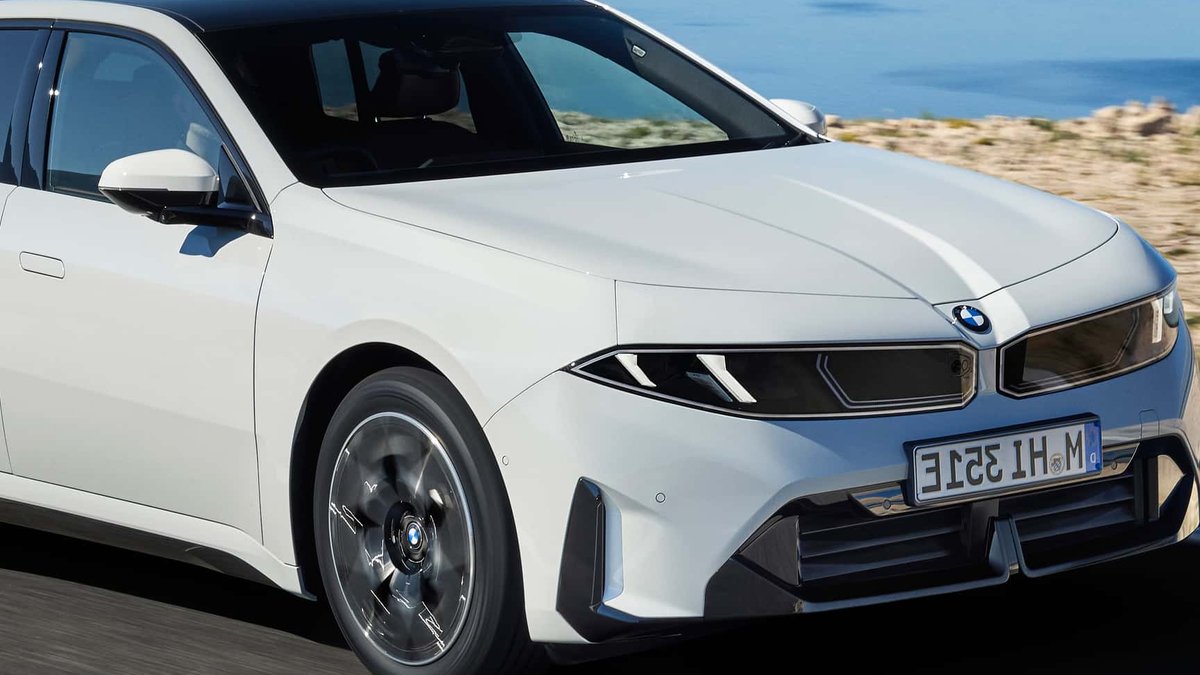
BMW plans to launch an entry-level electric vehicle in 2028, with a compact hatchback aimed at European buyers and built on the automaker’s Neue Klasse architecture. The model, provisionally called the i1, expands its electric lineup beyond the iX3 and i3 while reinforcing its strategy to boost profit margins. This includes a premium gasoline-powered SUV for North America, positioned above the X7. The Neue Klasse platform, developed at a cost of billions, is designed to underpin multiple future models, not just the i3 and iX3, ensuring scalability for BMW’s growing EV ambitions.
The i1 will enter production in Europe, filling a gap between the electric Mini Cooper and the forthcoming iX1 crossover. Its styling will draw from the i3, but the powertrain will shift to rear-wheel drive—a layout reminiscent of earlier versions of the 1 Series. The current front-wheel-drive 1 Series will continue production through the early 2030s, creating a brief overlap where BMW offers two distinct entry-level models with separate drivetrains. The i1’s rear-wheel-drive setup could also incorporate dual-motor configurations, similar to the original 1 Series, though specifics remain unconfirmed.
Internally, the project carries the codename NB0. Despite its dimensions matching the 1 Series, the two models will share no mechanical components. The i1 is expected to use a smaller battery than the i3, which currently offers capacities of 108.7 or 82.8 kilowatt-hours. A shorter wheelbase and lighter construction should deliver adequate daily range, though charging speeds will likely be slower than the i3’s peak rates of 300 or 400 kilowatts. The i1’s design prioritizes efficiency, with a compact footprint reducing weight even with a smaller battery pack, ensuring practicality for urban and suburban use.
Europe’s growing preference for affordable electric hatchbacks justifies the i1’s development, while the U.S. market will receive a high-end SUV to complement the existing lineup. These moves support BMW’s target of raising operating margins to 10% by the early 2030s. To meet this goal, the company is also trimming workforce numbers and integrating artificial intelligence into manufacturing and operations. BMW’s margin strategy extends beyond vehicle sales, with AI-driven efficiency gains expected to play a key role in cost reduction across production and logistics.
The i1 remains unpriced and lacks confirmed technical details, but its 2028 debut will mark BMW’s first significant entry into the budget electric segment beyond its established models. Efficiency and practicality will likely take precedence over luxury features in its design and performance specifications. Recent studies analyzing 500,000 EV batteries have shown that range retention varies significantly by model, with some losing capacity faster than others, a factor that could influence the i1’s battery design choices.