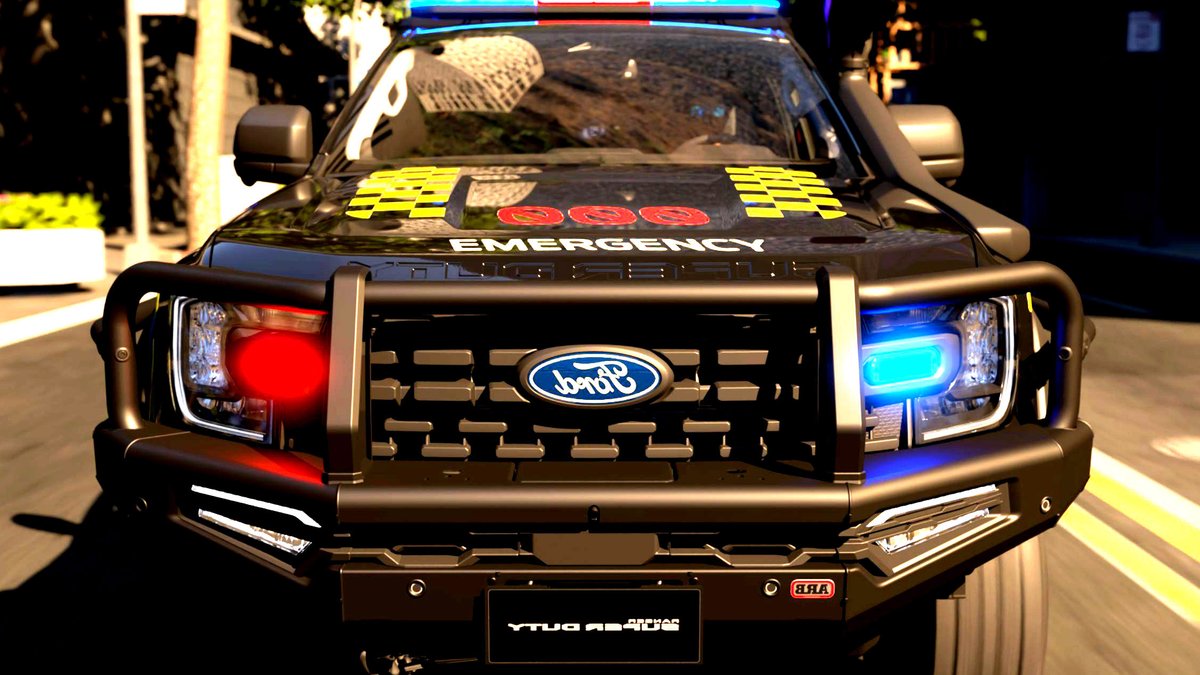
Ford Australia has built a solar-powered fire response vehicle based on the Ranger Super Duty pickup, designed to reach emergencies faster than traditional fire trucks in urban areas.
Built for speed and sustainability
The vehicle, developed with Deakin University and Ford Pro Convertor partner XL Service Bodies, targets the critical eight-minute response window in cities. It carries high-flow and ultra-high-pressure pumps powered entirely by a solar inverter and charging system from Zeliox Australia, eliminating the need for a gasoline or diesel generator.
This setup allows crews to begin fire suppression, assess damage, and establish communications before larger fire trucks arrive. The concept was unveiled at the Melbourne Convention and Exhibition Centre as part of Ford’s broader effort to showcase custom emergency vehicles through its Pro Convertor program.
For those living in high-rise apartments or dense neighborhoods, the difference between an eight-minute response and a fifteen-minute one can mean the difference between a contained incident and a full-blown disaster. The vehicle’s design acknowledges that in congested areas, even a few minutes saved can prevent small fires from spreading or medical emergencies from worsening.
Related: Twice-wrecked McLaren sells for record price
A rugged platform with specialized equipment
The build starts with the Super Cab configuration of the Ranger Super Duty, chosen for its larger bed size. The chassis retains its 4,500 kg (9,921 lbs) Gross Vehicle Mass rating, allowing it to carry water supplies, tools, and auxiliary power without modifications. The exterior features high-contrast yellow and red graphics, emergency lights, a factory snorkel, and an off-road bumper with a bull bar extending to the front fenders.
The rear section is divided into compartments for specialized equipment, including the solar-powered pumps. Under the hood, a 3.0-liter V6 turbodiesel produces 207 hp (154 kW) and 600 Nm (443 lb-ft) of torque, paired with a 10-speed automatic transmission and full-time four-wheel drive with locking differentials. The Super Duty’s upgraded chassis, wider track, and increased ground clearance improve off-road capability, making it suitable for remote or rough terrain.
Ford says bespoke versions of the vehicle can be produced for emergency services and fleet customers at its Broadmeadows facility in outer Melbourne. The concept serves as a demonstration of what the Ford Pro Convertor program can achieve, though no production timeline has been announced.
The solar-powered system isn’t just a gimmick—it ensures the vehicle can operate independently of fuel supplies, a critical advantage during prolonged emergencies or in areas where refueling isn’t immediately possible. For volunteer fire brigades in rural communities, that kind of self-sufficiency could make the difference between a controlled burn and a wildfire.