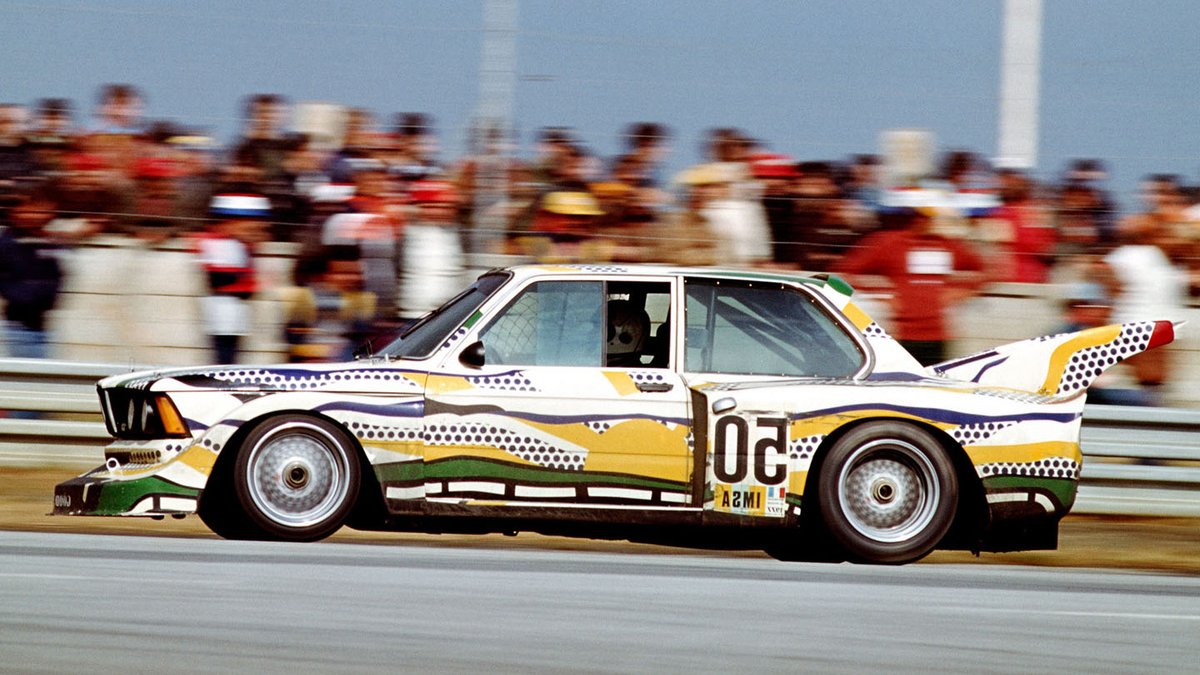
Art cars have become a distinctive way for racing teams to stand out on a crowded grid, turning the pursuit of visibility into a form of visual art.
Why livery matters beyond sponsorship
In motorsport, a car’s paint scheme usually serves two purposes: satisfying sponsor requirements and providing a recognizable identity. Sponsors fund the teams, yet a striking livery can capture the attention of fans who might otherwise overlook a vehicle amid a sea of similar shapes.
When a design is memorable, it lingers in the public’s mind longer than the race result or even the driver’s name.
Because regulations often limit the scope for creative expression, teams that manage to break the mold with an art car gain a rare point of difference. Some even forgo the financial security of major branding deals to avoid having their appearance dictated by logos, focusing instead on a statement that “puts smiles on the faces of the fans,” as one enthusiast put it.
Related: Calls grow for stable policy as EV orders top 80%
BMW’s history illustrates the impact of this approach. Over the past five decades, the German automaker has commissioned a series of art cars that have become iconic in the sport. Highlights include a 1975 3.0 CSL designed by Alexander Calder, a 1977 320i Group 5 featuring Roy Lichtenstein’s bold graphics, and a 1979 M1 Procar painted by Andy Warhol. The most recent addition, a M Hybrid V8 hypercar for the 2024 Le Mans 24 Hours, showcases work by Julie Mehretu. According to the brand’s records, the lineup now totals 20 art cars, spanning both racing and road‑going models.
The Jeff Koons‑styled M3 GT2 from 2010 remains a fan favorite, its multicoloured ribbons offering a vivid contrast to the typical monochrome racing palette. Such designs illustrate how a vehicle can become a moving canvas, turning a competitive event into a gallery on wheels.
Recent examples and fan reaction
Beyond BMW, other teams have adopted the concept with notable success. The HWA 190E Evo R, which entered the Nürburgring 24 Hours, featured a glow‑in‑the‑dark livery by Hanna Schönwald. The paint came alive during the night stint when the circuit plunged into darkness, drawing significant attention from spectators and media alike.
These eye‑catching designs often generate buzz on social platforms, reinforcing the idea that an art car can be a powerful marketing tool in its own right. While the primary goal may be aesthetic, the secondary effect is increased exposure for the team and its sponsors, creating a symbiotic relationship between art and commerce.
From a broader perspective, art cars illustrate how visual storytelling can enhance the spectator experience in a sport traditionally dominated by speed and engineering.
Related: Explore South America on a Guided Motorcycle Tour
Fans love the spectacle.
By offering a memorable visual element, they help attract new audiences who might be drawn in by the creativity rather than the technical specs alone. This crossover appeal can be especially valuable as motorsport seeks to maintain relevance in an increasingly entertainment‑focused market.
Still, the rarity of such projects means they remain special. The limited number of art cars produced each season ensures they stand out, and their uniqueness often translates into lasting fan loyalty. Even when a team sacrifices a lucrative branding partnership, the emotional connection forged through a bold design can pay dividends in long‑term support.
In sum, the evolution of art cars reflects a balance between commercial necessity and creative ambition. As long as teams continue to experiment with bold visuals, the tradition of turning race cars into moving works of art is likely to endure.