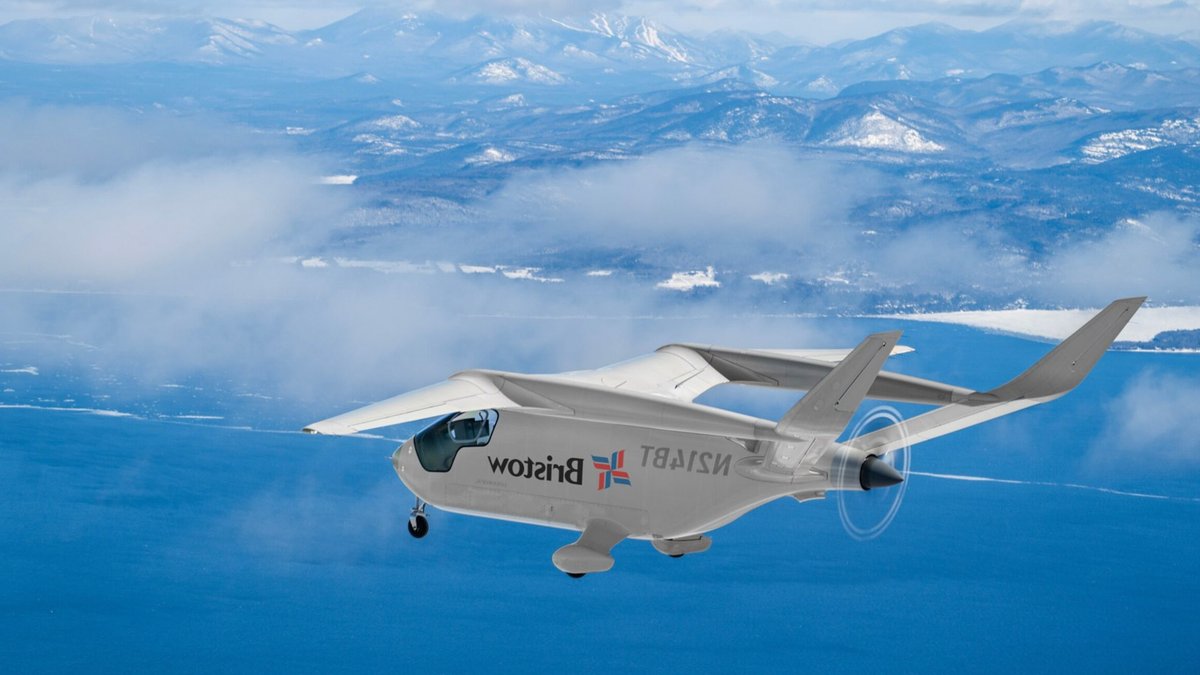
Loganair has finalized an agreement to purchase five all-electric ALIA CX300 aircraft from BETA Technologies, with the option to acquire five additional units. The announcement came during the Farnborough International Airshow, establishing the airline as the first in Europe to introduce fully electric planes on scheduled flights by 2029.
The CX300 is tailored for short regional journeys, most of which Loganair operates under 100 miles, linking islands and remote communities in Scotland. Unlike larger electric planes, it operates on standard runways without needing specialized vertiport facilities. BETA’s rapid charging system enables recharging in 20 to 40 minutes, a necessity for maintaining tight regional schedules.
Loganair and BETA have already conducted real-world integration tests. In March, a CX300 completed 23 flights over 10 days, covering more than 1,000 nautical miles across routes between Glasgow, Dundee, Aberdeen, Inverness, Wick, and Kirkwall. The trials assessed ground operations, charging procedures, and airspace coordination—essential steps before full commercial deployment.
Luke Farajallah, Loganair’s CEO, projects that electric aircraft could reduce operating costs by up to 80% based on initial testing. However, these savings have yet to be confirmed in regular scheduled operations. Certification and the development of charging infrastructure remain key challenges. BETA is expanding its network through the ACES consortium, which plans to equip over 250 U.S. airports and vertiports with compatible charging systems by 2030.
Loganair faces its biggest challenge in integrating charging into existing operations at regional airports. The spring tests provided early data, but full commercial use depends on certification and seamless scheduling. If successful, the CX300 could transform short-haul regional travel, though real-world performance will determine whether the projected efficiency gains materialize.
Noise and weather advantages of electric planes
BETA Technologies has also highlighted the CX300’s ability to operate in diverse conditions, including high-altitude routes and adverse weather. The aircraft’s lightweight design and electric propulsion system reduce noise pollution by up to 70% compared to traditional piston-engine planes, making it suitable for communities near airports.
Industry analysts note that Loganair’s commitment aligns with growing demand for sustainable aviation solutions in Europe. The airline’s decision to adopt electric aircraft reflects broader efforts within the sector to lower emissions while maintaining operational reliability. The next phase will focus on securing regulatory approvals and scaling infrastructure to support widespread adoption.
BETA Technologies has begun collaborating with airport authorities in Scotland to assess charging station placements and power requirements. The company aims to finalize infrastructure plans by 2027, ensuring compatibility with Loganair’s network. Early feedback from pilots during test flights indicates the CX300 handles well in crosswind conditions, a common factor on Scotland’s coastal routes.
Loganair’s path to Europe’s first electric flights
Loganair’s partnership with BETA represents a turning point for electric aviation in Europe, but the transition will require addressing technical and operational hurdles. The airline’s focus on short-haul routes reduces some risks, as these flights are less complex than long-distance operations. Still, the success of this initiative could influence other carriers to explore electric alternatives for their regional fleets.
The CX300 will undergo further certification testing in 2025, with Loganair expected to take delivery of the first aircraft by 2028. The airline has already begun training ground crews on handling procedures for the new model. If the project proceeds as planned, Loganair could begin scheduled electric services between Aberdeen and Orkney by late 2029.
BETA Technologies has also secured preliminary agreements with two additional European airlines for future CX300 deliveries, though those deals remain under negotiation. The company’s goal is to have at least 50 electric aircraft in operation across Europe by 2035, positioning itself as a leader in the emerging electric aviation market.