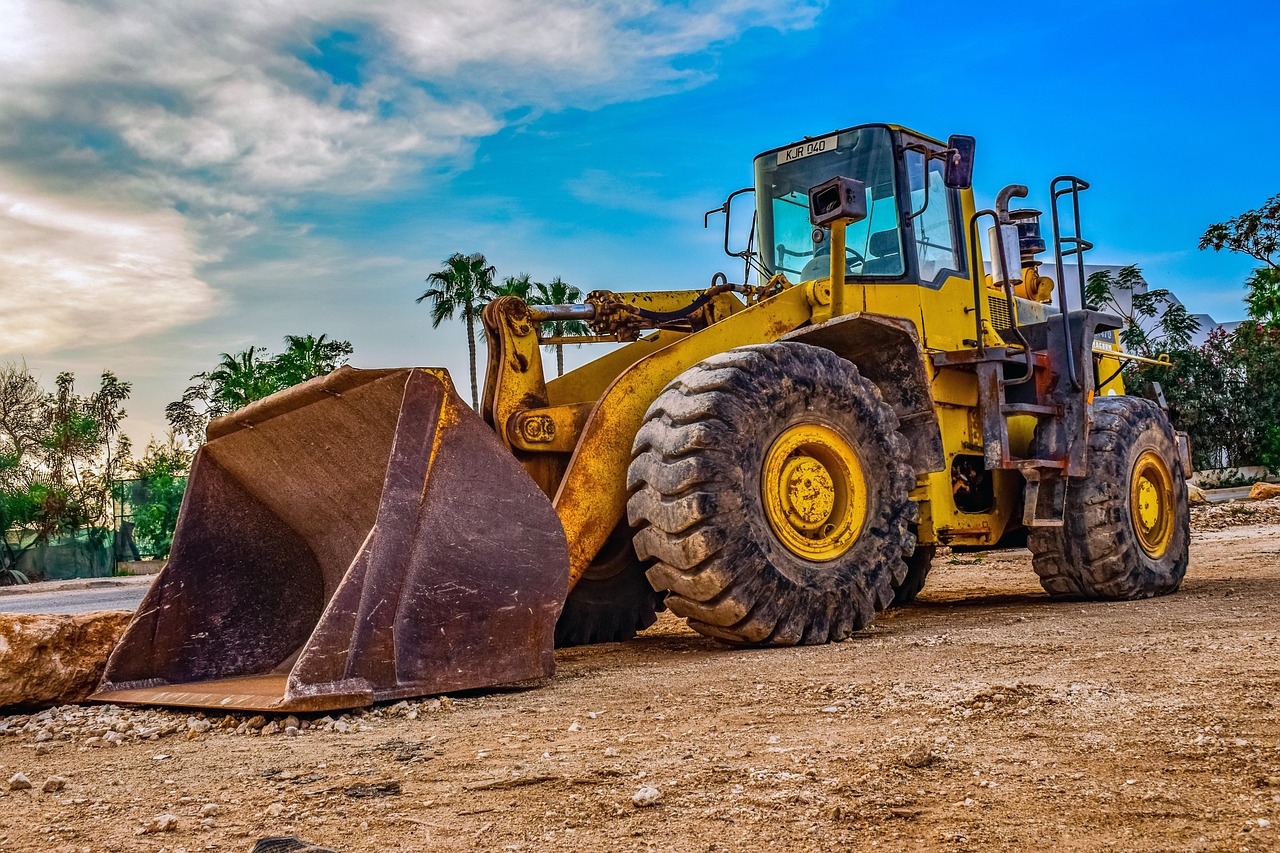
Side loader equipment plays a crucial role in modern material handling, especially in industries that deal with long, heavy, or bulky materials. Warehouses, manufacturing plants, ports, timber yards, and construction sites rely on side loaders to move materials safely and efficiently where traditional forklifts may struggle. This guide explains everything you need to know about side loader equipment, including its definition, components, types, applications, advantages, and maintenance considerations.
What Is Side Loader Equipment?
Side loader equipment refers to a specialized material handling vehicle designed to lift and transport loads from the side rather than the front. Unlike conventional forklifts, side loaders carry materials parallel to the direction of travel. This makes them ideal for handling long items such as steel beams, pipes, timber, panels, and containers.
Side loaders are available in different forms, including industrial forklifts, trucks, and container-handling vehicles. They are engineered to improve stability, safety, and efficiency when dealing with oversized or heavy loads.
Key Components of Side Loader Equipment
Understanding the main components of side loader equipment helps explain how it works so efficiently:
- Load Platform or Forks: Mounted on the side of the vehicle, these support long materials along their length.
- Mast System: Raises and lowers the load smoothly while maintaining balance.
- Chassis and Frame: Built with a strong, wide structure to handle heavy loads and maintain stability.
- Power System: Can be electric, diesel, or LPG, depending on indoor or outdoor use.
- Operator Cabin: Designed for visibility, comfort, and control, often with advanced safety features.
Each component works together to ensure precise and secure material handling.
Types of Side Loader Equipment
Side loaders come in several types, each designed for specific applications:
- Industrial Side Loader Forklifts: Commonly used in warehouses and factories for long materials stored in racks.
- Container Side Loaders: Used in ports and logistics yards to lift and transport shipping containers.
- Truck-Mounted Side Loaders: Installed on trucks for transporting and loading materials directly at job sites.
- Electric Side Loaders: Ideal for indoor use due to low emissions and quiet operation.
- Diesel or LPG Side Loaders: Suitable for outdoor and heavy-duty applications.
Choosing the right type depends on load size, operating environment, and usage frequency.
Applications of Side Loader Equipment
Side loader equipment is widely used across various industries:
- Warehousing: Handling long goods in narrow aisles with maximum space utilization.
- Steel and Metal Industry: Transporting beams, bars, and sheets safely.
- Timber Yards: Moving logs, planks, and panels without bending or damage.
- Construction Sites: Carrying heavy materials efficiently across uneven terrain.
- Ports and Logistics Centers: Handling containers and oversized cargo.
Its versatility makes side loader equipment an essential asset in many industrial operations.
Advantages of Using Side Loader Equipment
Side loaders offer several advantages over traditional material handling equipment:
- Efficient Long Load Handling: Designed specifically for long and heavy materials.
- Better Stability: Low center of gravity and balanced load positioning reduce tipping risks.
- Narrow Aisle Operation: Allows better use of warehouse space.
- Improved Safety: Enhanced operator visibility and reduced load shifting.
- Reduced Product Damage: Full-length load support minimizes bending and collisions.
- Higher Productivity: Faster loading, unloading, and transport operations.
These benefits contribute to lower operating costs and improved workflow efficiency.
Safety Features and Considerations
Safety is a major focus in side loader design. Most modern side loaders include features such as load stability controls, emergency brakes, warning systems, and protective cabins. Proper operator training is essential to ensure safe operation.
Regular inspections, adherence to load capacity limits, and maintaining clear pathways further enhance workplace safety. When used correctly, side loader equipment significantly reduces the risk of accidents associated with handling oversized materials.
Maintenance and Longevity
Like all industrial equipment, side loaders require regular maintenance to perform efficiently. Routine checks include inspecting hydraulic systems, tires, brakes, and electrical components. Proper lubrication and timely replacement of worn parts help prevent breakdowns.
Well-maintained side loader equipment not only lasts longer but also operates more safely and efficiently, ensuring a strong return on investment.
How to Choose the Right Side Loader
Selecting the right side loader equipment depends on several factors:
- Type and length of materials handled
- Load capacity requirements
- Indoor or outdoor operation
- Aisle width and space constraints
- Power source preferences
- Budget and long-term maintenance costs
Evaluating these factors ensures you choose equipment that aligns with your operational needs.
Conclusion
Side loader equipment is a powerful solution for handling long and heavy materials safely and efficiently. Its unique side-loading design, stability, and ability to operate in narrow spaces make it indispensable in industries such as warehousing, construction, steel manufacturing, and logistics.