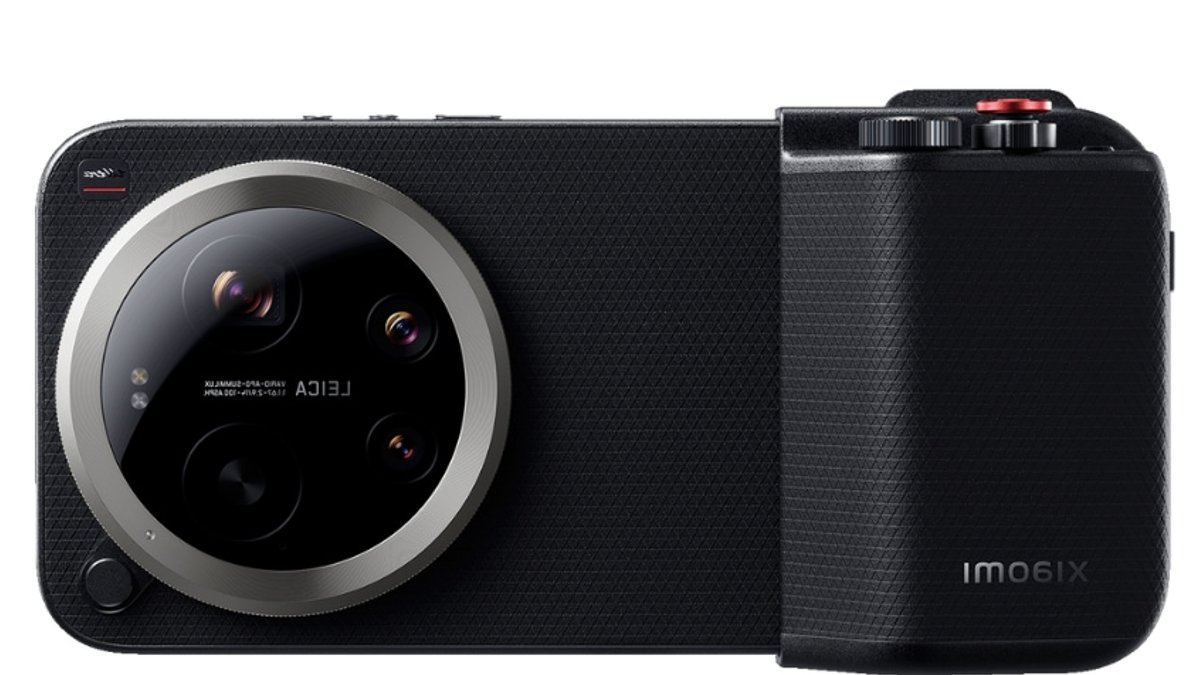
The Xiaomi 17 Ultra is a camera-first phone that has impressed a writer who has spent years carrying cameras, lenses, and accessories. The phone’s camera hardware, including a 50MP one-inch LOFIC sensor and Leica engineered Summilux optics, gives it a level of dynamic range, highlight control, and tonal information that is unexpected from a smartphone.
The sensor is not simply large for the sake of having a large sensor, but it provides the phone with the ability to hold on to highlights in harsh sunlight and retain detail in deep shadows. The image processing is also extremely good at dealing with high contrast scenes, difficult lighting, and mixed color temperatures.
Camera Capabilities
The main camera is only part of the story, as the 200MP telephoto camera provides a different perspective and is extremely useful for someone who shoots cars, motorcycles, and people. The telephoto camera allows for compressing a scene, isolating a subject, and creating a perspective that is not possible with the primary camera.
The Leica color profiles and different imaging modes also give more creative control over the final image. The phone’s camera system is so good that it made the writer stop and think that they do not actually need a separate camera for certain tasks.
Photography Grip Turns Phone Into Pro Tool
The Photography Kit, which adds a proper camera grip to the phone, complete with physical controls, is what made the writer take the phone seriously as a creative tool. The kit includes a shutter button, half press for focusing, zoom controls, and a dedicated recording button, as well as a 2,000mAh battery inside the grip.
The 67mm filter adapter is particularly useful for automotive photography, as it allows for putting a CPL and ND filter on the phone, making it easier to control reflections and shoot in difficult lighting conditions.
8K and 4K120fps Video Power
The phone’s ability to record 8K video and 4K at 120fps, as well as 4K 120fps LOG recording, makes it a serious content creation device. The combination of the large sensors, optics, processing, and stabilization gives footage that is genuinely usable for serious content creation.
Read Also: TVS Racing Series Expands to Europe
Xiaomi has also addressed the issue of heat, which is a common problem with powerful smartphone cameras, by including an independent cooling system for the camera module. This allows for prolonged shooting without performance degradation.
The phone’s display is also impressive, with a 2K class AMOLED panel, 120Hz refresh rate, 12-bit color depth, and a peak brightness of 3,500 nits. The Pro color mode is particularly useful for anyone who cares about image and video work, as color accuracy becomes much more important when using the phone as a viewing and editing device.
The battery life has been very good, even with the amount of camera, video, and processing work thrown at it. The phone also gets Xiaomi Shield Glass 3.4 and has IP66, IP68, and IP69 protection, giving a level of confidence that is not normally associated with a device carrying such a complicated camera system.
The phone’s audio is also surprisingly good, with a fairly pronounced bass-heavy, V-shaped signature, making it suitable for casual recording and content creation. The microphones are surprisingly capable, and the sound is phenomenal when used with IEM’s and DAC.
HyperOS Still Lags Behind Competitors
However, the HyperOS is still not where it should be, with a software experience that is not as fluid or polished as some of the competition. There is also quite a bit of bloatware, and while Xiaomi’s ecosystem is becoming increasingly complex, the user experience doesn’t always feel clean and cohesive.
The case options available in India are also very limited, which is a practical issue for someone who wants to protect their phone. The phone’s price, at around ₹1.4 lakh, is not cheap, but for someone who prioritizes photography and video, the equation changes completely.
The writer came into the review expecting to test another flagship smartphone but came out wondering how much camera equipment they actually need to carry with them anymore, and the Xiaomi 17 Ultra’s camera capabilities are a major factor in this realization, with its 6,000mAh battery and 90W wired HyperCharge and 50W wireless charging.