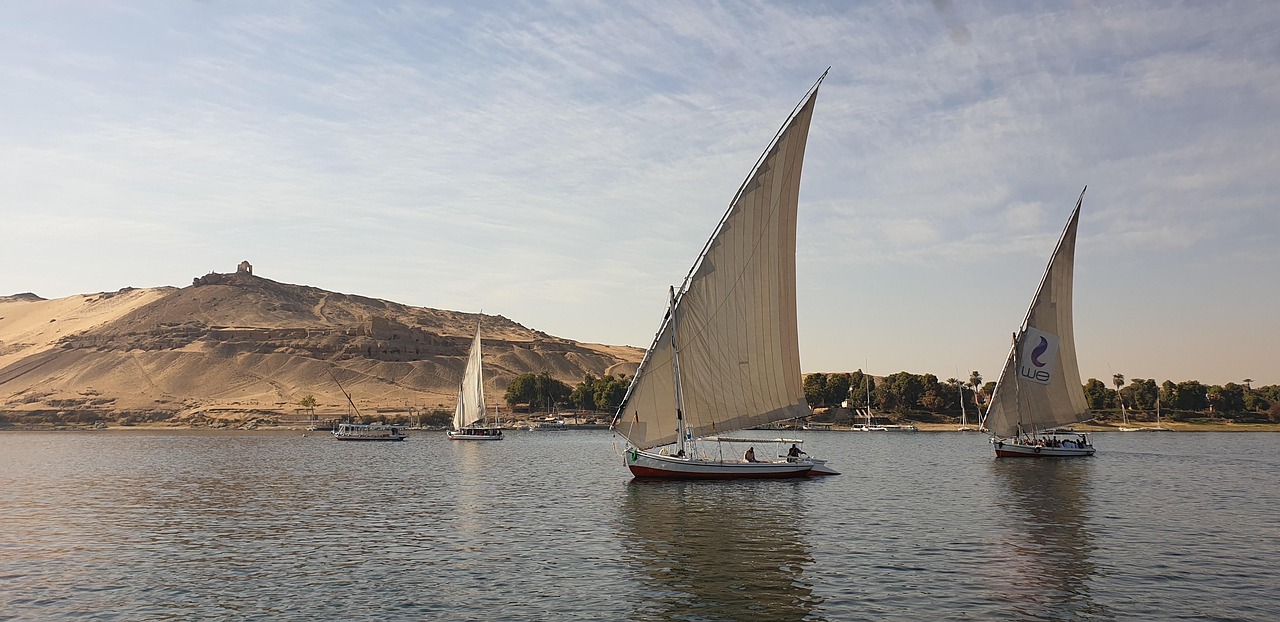
For centuries, the Nile River has been the lifeblood of Egypt, a source of sustenance and a silent witness to the rise and fall of ancient civilisations. A cruise along its waters is more than just a holiday; it is a journey through history, offering a perspective on Egypt’s monumental legacy that cannot be grasped from land alone. This guide will walk you through what to expect from Nile cruises, from the historic sites you will see to the practicalities of life on board.
Top Attractions to See
A Nile cruise is an efficient way to visit some of the world’s most significant archaeological sites. The journey typically travels between Luxor and Aswan, stopping at several key locations along the river.
In Luxor, often called the world’s greatest open-air museum, you will find the Karnak Temple Complex. This sprawling site was developed over centuries and is dedicated to the Theban triad of Amun, Mut, and Khonsu. Walking through its grand halls and past towering columns gives you a real sense of ancient Egyptian worship. On the opposite bank lies the Valley of the Kings, the burial ground for pharaohs and powerful nobles of the New Kingdom. Here, you can descend into the tombs of rulers like Tutankhamun and Ramesses VI, where walls are covered in elaborate and colourful hieroglyphs.
Further south, you will encounter the Temple of Edfu, one of the best-preserved shrines in Egypt, dedicated to the falcon god Horus. As you approach Aswan, the Temple of Philae is another major highlight, an island temple complex that was painstakingly moved to its current location to save it from the rising waters of the Aswan High Dam.
What to Expect on Board
Nile cruise boats offer a comfortable and convenient base for your explorations. Accommodation ranges from standard cabins to luxurious suites, most with large windows or private balconies providing continuous views of the riverbank scenery. Life on the river unfolds at a gentle pace, with scenes of daily life, lush green fields, and sandy dunes passing by.
Dining is a significant part of the experience, with most boats offering full-board packages. You can expect buffet-style breakfasts and lunches featuring a mix of international and Egyptian dishes. Dinners are often à la carte, providing a more formal dining atmosphere. Onboard activities usually include a sun deck with a swimming pool, lounge bars for relaxing in the evening, and sometimes cultural entertainment like belly dancing shows or traditional music performances. Your cruise operator will typically provide Egyptologists as guides for the shore excursions, offering deep insights into the history of the sites you visit.
Best Time to Visit
Planning your trip around the weather is important for enjoying your Nile cruise. The best time to travel is between October and April. During these months, the temperatures are milder and more pleasant for sightseeing, with daytime averages ranging from 20°C to 25°C. This allows you to explore the temples and tombs comfortably without the intense heat of the summer.
The summer months, from May to September, can be extremely hot, with temperatures often exceeding 40°C. While this is the low season and may offer cheaper prices, the heat can make daytime excursions challenging and uncomfortable for many travellers.
A Journey Through Time
A cruise on the Nile offers a profound connection to Egypt’s ancient past. It combines the comfort of modern travel with direct access to some of history’s most impressive monuments. From the grandeur of Karnak to the quiet dignity of the Valley of the Kings, you will gain a deeper appreciation for the civilization that flourished along this iconic river. If you are looking for a trip that is both relaxing and enriching, a Nile cruise presents an experience you are unlikely to forget.