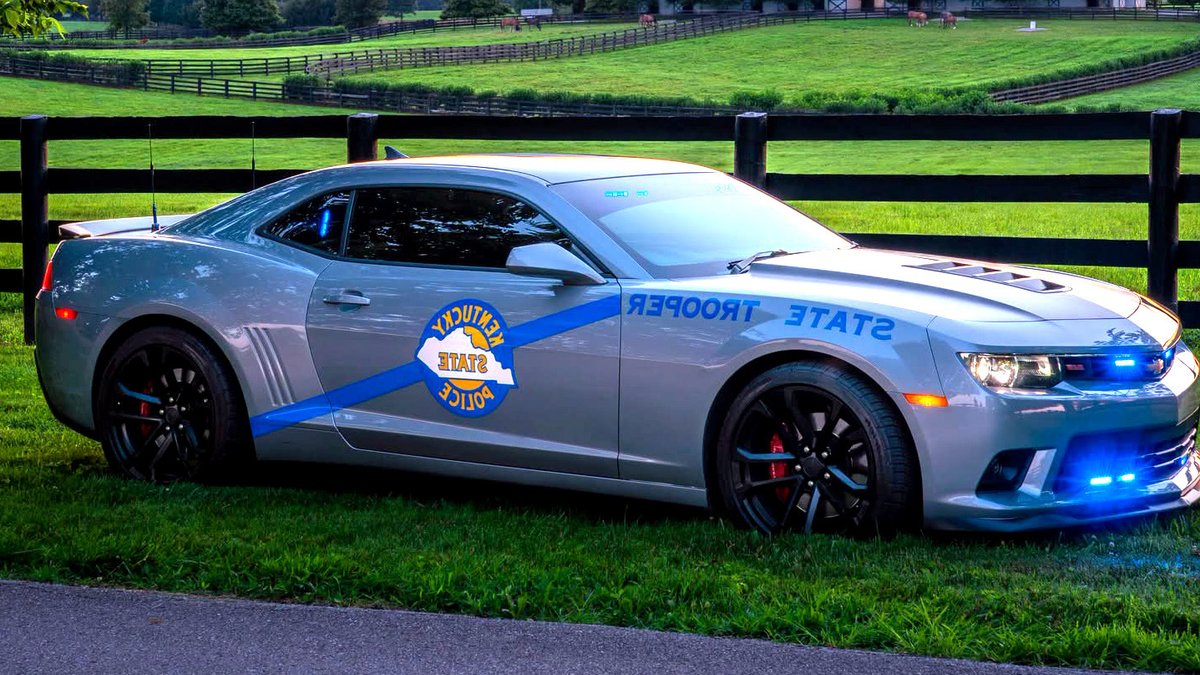
Tyler Walters, a two-year veteran of the Kentucky State Police, was named the 2025 Post 3 Trooper of the Year on July 24. However, his time in the spotlight was short-lived, as he was arrested on a DUI charge in Hardin County just 16 days later.
According to court records, Walters was stopped by an Elizabethtown police officer at 3:39 p.m. on a Friday and charged with operating a motor vehicle under the influence and possessing an open alcoholic beverage container in a vehicle. His blood-alcohol level was reportedly 0.083, just above Kentucky’s 0.08 legal threshold. The fact that Walters was stopped in the middle of the day, at a time when many people are still at work or engaged in other activities, may raise questions about the circumstances surrounding his arrest.
Arrest and Charges
Walters was taken to the Hardin County Detention Center before being released on pre-arraignment release. A district judge set a $1,000 cash bond, and he is due in court on August 31. The charges remain allegations, and Walters has not been convicted. It is worth noting that the pre-arraignment release process allows defendants to be released from custody before their initial court appearance, which can help to reduce the burden on the jail system and allow defendants to prepare for their case.
The Kentucky State Police had recognized Walters for his service just two weeks prior to his arrest. In a July 24 release, the agency said its annual ceremony honored troopers, detectives, and officers who “went above and beyond the call of service” in 2025. Walters was singled out as Post 3’s Trooper of the Year, despite now being assigned to Post 4 in Elizabethtown. This assignment change may have been a recent development, and it will be interesting to see how his current situation affects his role within the agency.
Agency Response
The agency has not publicly detailed whether Walters has been placed on leave or is facing an internal investigation. The situation may prove uncomfortable for the agency, which is currently pushing to hire more troopers. Depending on how Walters’ case goes, it might need to fill at least one more position. The agency’s recruitment efforts may be impacted by the negative publicity surrounding Walters’ arrest, which could make it more challenging to attract new candidates.
Related: Strategic Oil Reserve Hits Lowest Level Since 1983
It’s worth considering that this development may have practical implications for the people most affected by it – in this case, the community that Walters serves. If he is ultimately convicted, it could damage the public’s trust in the agency and raise questions about the vetting process for new recruits. The agency may need to take steps to reassure the public that they are taking the situation seriously and are committed to upholding the highest standards of conduct among their officers.
For now, the agency remains tight-lipped about the situation. Recent social media posts from the Kentucky State Police suggest that the state is actively seeking to hire more troopers, but it’s unclear how Walters’ case will impact these efforts. The agency’s social media presence is an important tool for outreach and recruitment, and they may need to carefully consider how to address the situation in their online communications.
Walters is scheduled to appear in court on August 31, where he will face the charges against him. Until then, the situation remains a sensitive topic for the agency and the community it serves. As the case progresses, it will be important for the agency to balance their need to address the situation with the need to protect the rights and reputation of their officer, who has not yet been convicted.
The incident may also prompt a review of the agency’s policies and procedures for addressing officer misconduct. The Kentucky State Police may need to examine their internal protocols for handling situations like this, and consider whether any changes are needed to prevent similar incidents in the future. This could involve reviewing their training programs, their procedures for investigating misconduct, and their policies for addressing officer discipline.