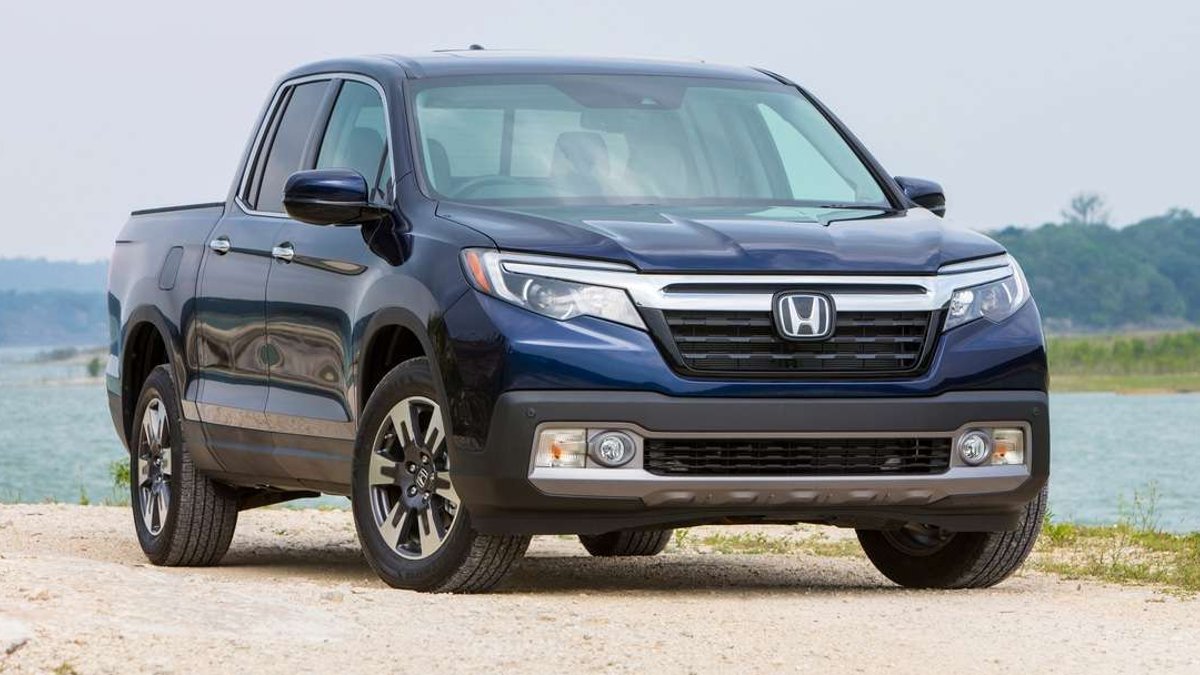
When a buyer compares a 2020 Toyota Tacoma to a similarly aged Honda Ridgeline, the discussion often turns to comfort versus capability, a distinction that surfaced on a popular Tacoma owners forum.
Forum users weigh comfort against off‑road ability
The original post on Tacoma World asked for input from tall drivers who had experience with both trucks. The asker, a former long‑time Ford F‑150 owner who also praised a 2008 Honda Element, wanted to know whether legroom and ride quality differed enough to influence a decision.
Respondents quickly highlighted that intended use dictates the better choice. One contributor noted that a Ridgeline “has a pretty shallow bed, but also has a ‘trunk’ (storage compartment) underneath the bed floor,” making it suitable for hauling items like plants or building supplies. By contrast, the same participant pointed out the Tacoma’s “true truck” nature, which suits owners who plan to add larger tires, a lift, or a camper for off‑road adventures.
Another voice summed up the trade‑off, describing the Ridgeline as “a Honda Pilot with a bed,” offering a smoother, SUV‑like ride, all‑wheel drive, and decent towing capacity. The same individual warned that the Tacoma “rides like it” and delivers a more rugged feel, which some drivers prefer.
Related: Lexus LX 600 Sticks to Traditional Roots
Seat comfort and interior space emerge as decisive factors
A forum member who owned two third‑generation Tacomas and a 2023 Ridgeline compared front‑seat comfort directly. They reported that the Ridgeline’s seats were “far more comfortable,” even for a passenger who is 6’2” and 290 lb. The comment suggested that drivers who prioritize a cushier ride and better ergonomics may lean toward the Ridgeline.
Conversely, another user stressed that the Tacoma’s higher ground clearance and stronger off‑road credentials could outweigh any comfort deficit for buyers who need rugged capability. That remark mentioned the Tacoma’s “huge aftermarket,” implying more options for customization.
Technical details also entered the conversation. A participant pointed out that the Ridgeline relies on a timing belt, whereas the Tacoma uses a timing chain, a factor that can affect long‑term maintenance. The contributor recalled a personal experience with a timing belt failure on a BMW, suggesting a preference for chain‑driven engines.
Overall, the forum consensus emphasized that both trucks are competent, but the “best truck out of the two is the one that makes the most sense for you.” The discussion highlighted that even vehicles with similar payload capacities can differ markedly in ride quality, interior layout, and mechanical design.
Related: GMC splits 2027 Sierra from Silverado hints luxury
From a practical standpoint, buyers who value a softer ride and integrated storage may find the Ridgeline’s cabin more accommodating, especially on longer highway trips.
Those focused on rugged terrain, higher clearance, and a larger community of aftermarket parts are likely to favor the Tacoma.
While the forum did not reveal the original poster’s final decision, the exchange illustrates how real‑world owners weigh everyday comfort against specialized capability when choosing between midsize trucks.