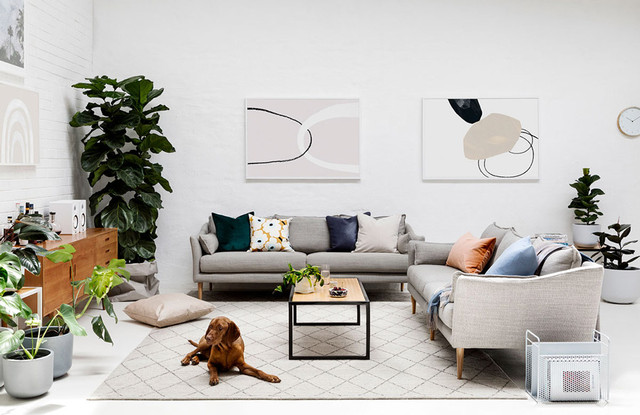
There’s a specific feeling that separates a house from a home, and it rarely comes down to square footage or furniture budget. It’s usually a collection of small, repeated habits — the kind that are easy to overlook because none of them look impressive on their own, but together they change how a space feels the moment you walk in.
The first habit worth building is a nightly reset. Spending ten minutes before bed putting things back where they belong — dishes cleared, surfaces wiped, shoes off the floor — means you wake up to a calm space instead of yesterday’s mess. It sounds minor, but the psychological difference between starting your morning in order versus starting it in clutter is bigger than most people expect.
Second, let natural light do more of the work. Heavy curtains and blocked windows make even a well-decorated room feel flat and lifeless. Opening blinds fully during the day, trimming anything blocking a window from outside, and choosing lighter window treatments where privacy allows can transform a room without spending a cent on new furniture.
Third, bring in something alive. It doesn’t have to be elaborate — a single low-maintenance plant on a windowsill changes the energy of a room in a way that’s hard to replicate with objects. Living things introduce a sense of care and attention that static decor can’t quite match, and tending to them becomes its own small daily ritual.
Fourth, personalize deliberately rather than accumulating randomly. A home starts to feel generic when its objects don’t mean anything — when the art on the wall was chosen because it matched the couch rather than because it meant something. Swapping even a few mass-produced pieces for objects with actual history (a photo, something handmade, an object from a trip) does more for warmth than an entire matching furniture set.
Fifth, pay attention to scent. Smell is tied more closely to memory and mood than almost any other sense, and it’s the first thing guests notice, often before they consciously register anything else. A consistent, subtle scent — from a candle, fresh air, or simply a clean kitchen — does a surprising amount of the emotional work in making a space feel welcoming.
None of these habits require a renovation or a big purchase. Much of what makes a space feel intentional actually comes down to principles borrowed from interior design — light, arrangement, and personal meaning — applied in small, consistent doses rather than all at once. A home built from daily habits tends to feel more lived-in, and more genuinely yours, than one built from a single big decorating push ever could.