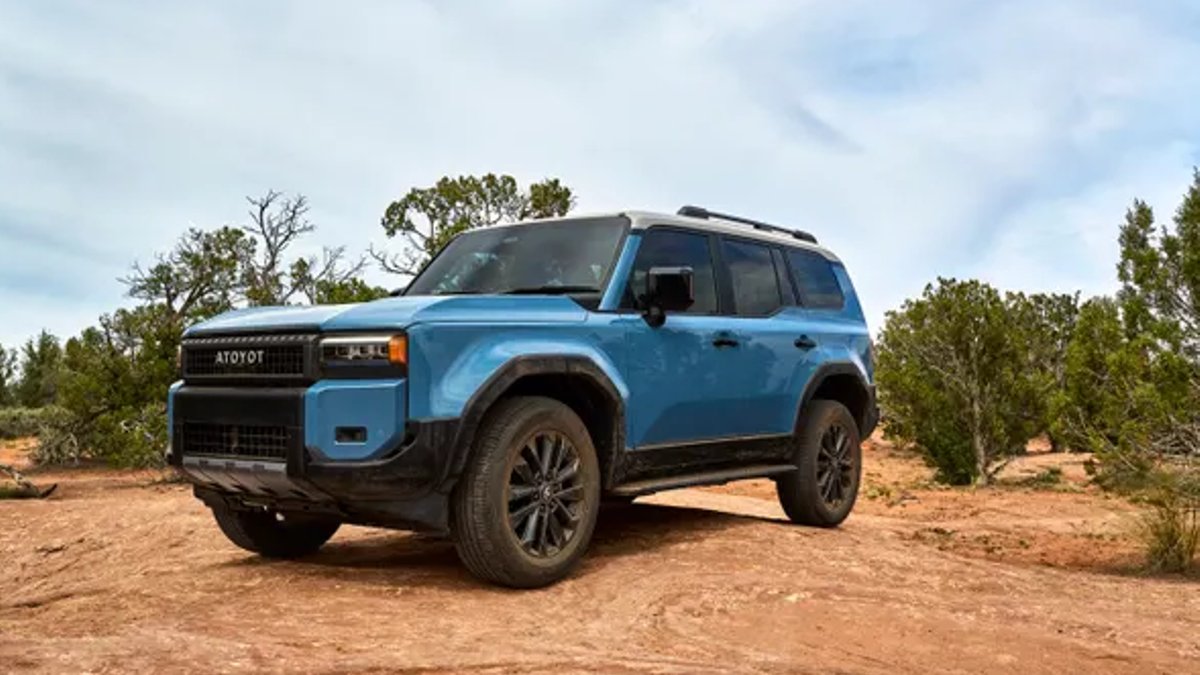
Toyota has announced a recall of approximately 106,000 hybrid Land Cruiser SUVs produced between November 2023 and October 2026 due to a potential fuel leak risk. The recall covers model years 2024 through 2027, though not every affected vehicle was sold in the United States. The problem involves resin fuel tubes near the gas tank that could disconnect, allowing fuel to escape and creating a fire risk if it reaches an ignition source.
Dealers will conduct inspections of the fuel tube connection and replace the resin tube if necessary, along with installing an additional clamp to secure it. Owners will receive notification letters beginning on November 29. The issue originates from the connection between the resin tube and the primary metal tube that carries fuel to the engine. If the retaining clip at this junction lifts or is missing, the parts may separate, potentially causing a leak until the gasoline engine stops running.
Toyota first detected the problem in July 2024 after dealers reported fuel leaks linked to lifted or missing retaining clips. The automaker examined production footage and supplier records but found no manufacturing defects in the components. Suppliers confirmed the resin and metal tubes met required standards, though one supplier noted unusual markings on two tubes recovered from overseas markets—one resembling previous test marks, the other suggesting possible tampering after assembly.
The recalled vehicles were all manufactured in Japan and exported to the U.S. Between May and August 2025, Toyota retrieved parts from the U.S. market and reviewed production records, but no issues were identified. Suppliers also verified that the parts passed pressure tests and displayed markings consistent with earlier evaluations. The company later inspected 200 vehicles already in use, with no leak complaints, and confirmed all fuel tube connections were secure.
From September to October 2025, Toyota conducted internal tests, including pull-strength, pressure, vibration, and driving tests through standing water. The connection remained intact in all scenarios except when the retaining clip was deliberately installed incorrectly. The automaker assessed fire risks and determined that while a separated tube could cause a multi-gallon leak, nearby components stayed below ignition temperatures. However, any fuel leak near an ignition source still posed a potential fire hazard.
Despite thorough testing, Toyota could not determine a clear cause for the issue. Investigators suspected retaining clips might have been lifted after production and then reinstalled improperly, though production records showed no inconsistencies. Between May and September 2026, further testing failed to dislodge the clip under normal conditions. In a review of 400 additional vehicles in service, only one had a lifted clip—but the connection remained intact.
The automaker initiated the voluntary recall on October 8 based on the potential volume of fuel leaks and the number of field reports. As of October 6, records indicated 23 technical service reports and 64 warranty claims in the U.S. possibly related to the issue. Toyota stressed that while fire risk exists, the chance of ignition from a leak under normal driving conditions remains low.