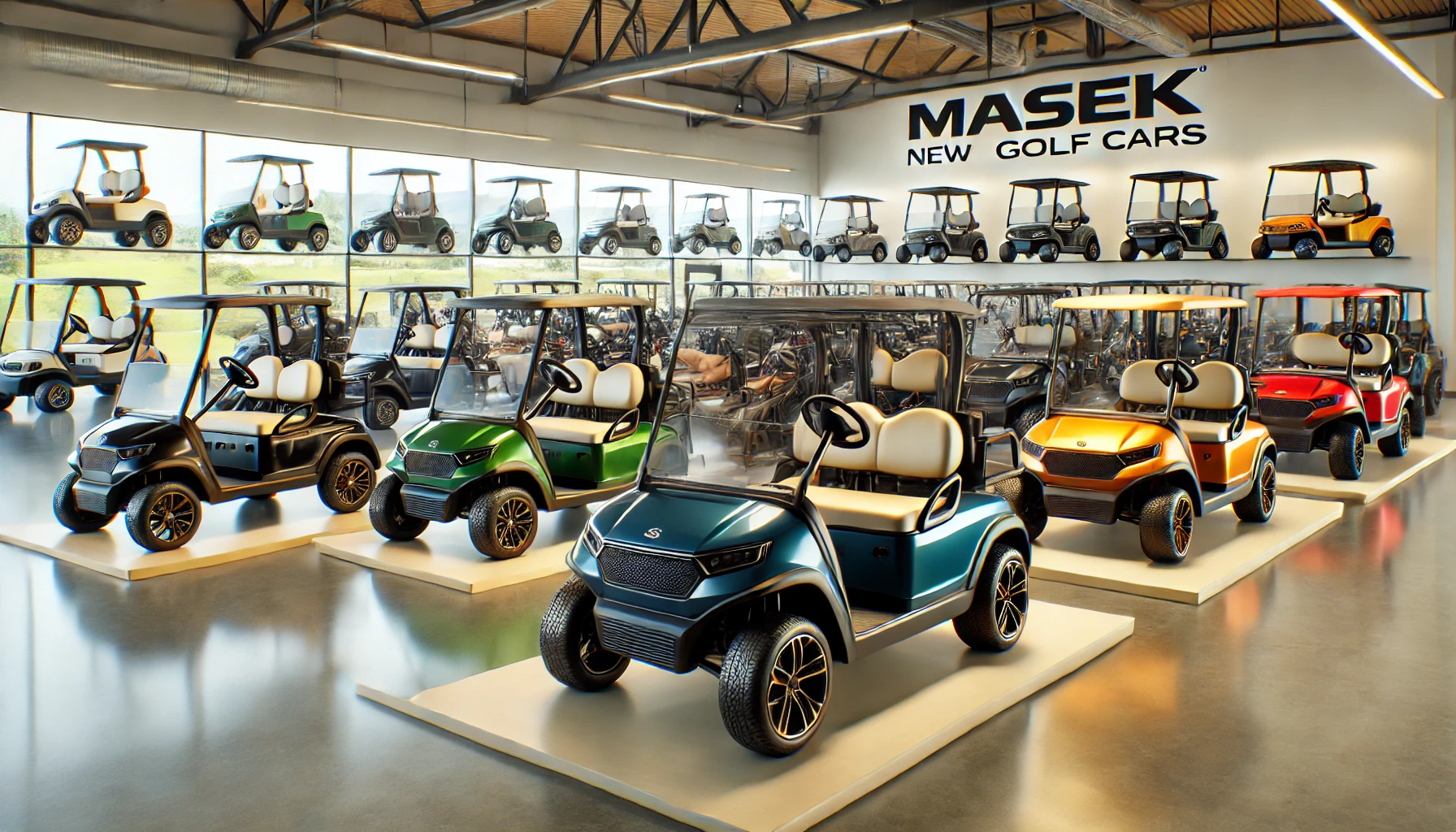
The decision to acquire a golf cart often begins with a specific need: navigating a large property, moving around a retirement community, or simply enjoying a more convenient way to manage short-distance travel. Yet, for many people starting this search, the marketplace can feel overwhelming. The landscape of available vehicles has shifted significantly, moving away from simple, utilitarian machines toward sophisticated, multi-purpose transports that resemble passenger automobiles in their design and functionality.
Challenges in Finding the Right Vehicle in a Rapidly Changing Market
Identifying a reliable evolution golf cart dealers near me is frequently complicated by the sheer variety of options available to buyers today. In previous times, the process was straightforward; you visited a local shop, chose from a handful of models, and drove away with a basic vehicle. Today, the sector includes a wide array of specialized features, varying power sources, and different regulatory classifications that dictate where a vehicle can be legally operated.
One common mistake buyers make is prioritizing aesthetics over intended utility. A cart designed for a smooth, paved golf course behaves very differently from one engineered for gravel paths or hilly terrain. Without a clear understanding of the specific environment where the cart will spend its time, a buyer may end up with a vehicle that lacks the necessary suspension, torque, or safety features for their actual day-to-day requirements. Furthermore, because technology in these vehicles evolves quickly, a model that seems current today might require specific maintenance or software updates that only certain authorized locations are equipped to provide.
Understanding the General Process of Selecting a Golf Cart
When searching for new golf carts, it is helpful to approach the process as a multi-step evaluation rather than a simple purchase. The first step involves defining the environment of use. If the vehicle will be used strictly on private land, the requirements for lighting, safety glass, and speed control are generally less stringent than for a vehicle intended for operation on public roadways or within specific master-planned communities.
Potential buyers should always ask providers about the following:
- The primary power source: Electric models typically offer quieter operation and less frequent mechanical maintenance, while gas-powered options can provide longer ranges and faster refueling.
- Terrain requirements: How the suspension and tire choice impact the comfort of the ride on uneven surfaces.
- Maintenance expectations: What a typical service schedule looks like and whether the provider offers mobile support or requires the vehicle to be transported to a shop.
- Customization: How modifications like enclosed cabs, upgraded seating, or storage accessories affect the vehicle’s overall weight and power efficiency.
A reputable dealer will typically guide the buyer through these considerations, helping to narrow down choices based on practical performance rather than just visual appeal.
Key Factors That Shape Long-Term Satisfaction
The longevity of a golf cart often depends on how well the vehicle is matched to its usage patterns. Several factors influence the ownership experience long after the initial delivery.
Battery management represents one of the most critical elements for electric models. Different battery technologies require unique charging habits and storage conditions, particularly in climates with extreme temperature variations. Failing to adhere to the recommended charging cycle can significantly diminish the lifespan of the power system. Additionally, the weight of the vehicle, combined with the number of passengers it typically carries, directly impacts the strain placed on the motor and drivetrain. Owners who frequently operate at full capacity may find that their vehicle requires more robust components than a light-duty model would offer.
Another factor is the availability of consistent support. Because these vehicles are increasingly integrated with digital controls and advanced electrical systems, access to a dealer that maintains a deep inventory of components and possesses current technical expertise is vital. A vehicle that sits idle while waiting for specialized parts creates a frustration that can be easily avoided by choosing a dealer with a strong service-oriented reputation.
Practical Approaches to Evaluating Potential Dealers
To find a provider that aligns with your needs, focus on the quality of their assessment process. A helpful dealer typically asks about your property type, the distance you expect to travel, and the types of surfaces you will encounter before they ever suggest a specific model. This consultative approach is a strong indicator that the provider is interested in long-term reliability rather than just a quick sale.
When visiting a showroom or inquiring about new golf carts, consider these practical actions:
- Ask to see the service department. A clean, well-organized, and busy service area often reflects a dealer’s commitment to after-sale support.
- Inquire about the documentation and support manuals that accompany a purchase.
- Discuss the specific process for handling technical issues or warranty claims. A transparent dealer will clearly explain how they prioritize repairs and what timeframes are typical for parts procurement.
- Ask for a test drive that reflects your actual intended use—do not limit the test to a flat parking lot if you plan to navigate inclines or rougher terrain.
By focusing on these practical elements, you move the conversation from “what is available” to “what is the right fit.” Taking the time to evaluate a provider’s commitment to the post-purchase experience ensures that your investment remains a source of convenience rather than a source of recurring mechanical or administrative stress.
Taking a sensible next step often involves reaching out to local providers to discuss your specific needs before viewing their inventory. A brief conversation about how you plan to use the vehicle can provide the necessary context to determine whether a particular dealer is the right partner for your needs. Always prioritize clarity in communication, and do not hesitate to ask for detailed information on how they support their customers after the purchase is finalized.